Key Takeaways
- SAP Analytics Cloud to Microsoft Fabric: Enterprise Migration Guide.
- Why Enterprises Migrate SAC to Microsoft Fabric in 2026.
- The 4-Phase Migration Runbook.
- SAP Integration Patterns.
- Cost Economics.
- SAP Continuity.
On this page10 sections
SAP Analytics Cloud to Microsoft Fabric: Enterprise Migration Guide
Many enterprises running SAP ERP (S/4HANA, Business Suite) have historically used SAP Analytics Cloud (SAC) for SAP-adjacent reporting and dashboarding. As Microsoft Fabric matures and Microsoft 365 Copilot becomes the unified AI productivity layer, enterprises are increasingly consolidating SAC analytics workloads into Microsoft Fabric while keeping SAP as the system of record.
The pattern is consolidation, not replacement. SAP stays as the ERP. Microsoft Fabric becomes the analytics and AI grounding layer. This guide documents how EPC Group delivers SAC-to-Fabric migration for enterprises that want the best of both ecosystems.
TL;DR
Migrating from SAP Analytics Cloud (SAC) to Microsoft Fabric consolidates analytics into the Microsoft Cloud + AI stack while keeping SAP ERP as the system of record. Microsoft Fabric Direct Lake mode enables sub-second query performance against SAP data via OneLake mirroring. Power BI Copilot grounds responses on SAP data ingested into Fabric, enabling natural-language analytics on SAP operational data. The 4-phase migration runbook covers Assessment (4-8 weeks), Architecture (6-10 weeks), Migration (16-40 weeks based on report count), and Decommission (6-10 weeks). Cost economics: SAC license cost of $700K-$2.5M annually for Fortune 500 enterprises drops to $300K-$900K on Microsoft Fabric F-SKU + Power BI with comparable scope. SAP integration patterns: Microsoft Fabric SAP connector, Azure Data Factory SAP integration, SAP Datasphere bidirectional sync, OData APIs.
Why Enterprises Migrate SAC to Microsoft Fabric in 2026
Force 1: Microsoft 365 Copilot grounding on SAP data. Microsoft 365 Copilot grounds on Microsoft Graph content. SAP data ingested into Microsoft Fabric via the SAP connector becomes Copilot-groundable. Natural-language questions over SAP operational data ("What were our top 10 vendors by spend in Q3?", "Which customer accounts have aged receivables greater than 90 days?") work natively in Copilot Chat when SAP data lives in Fabric.
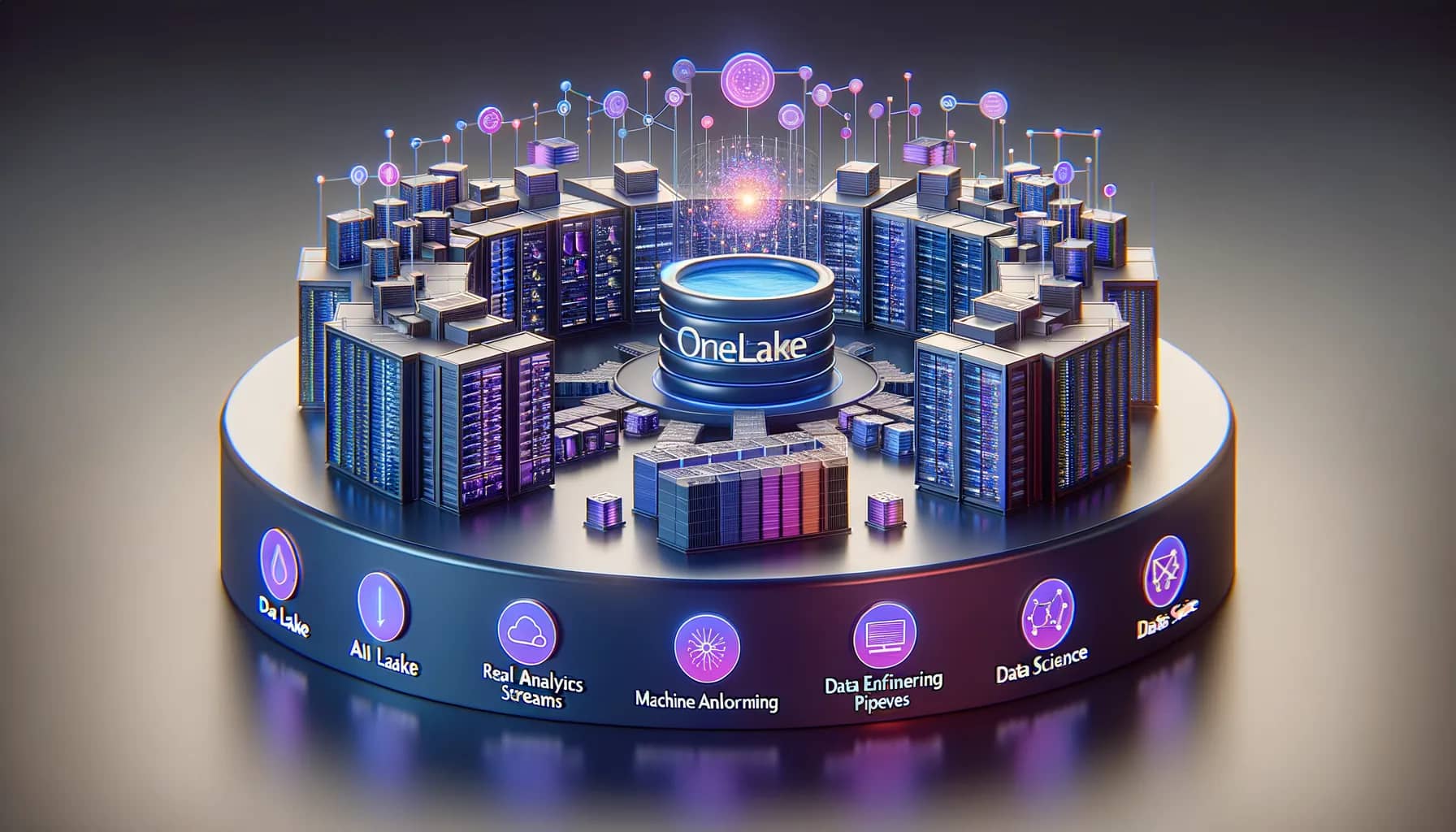
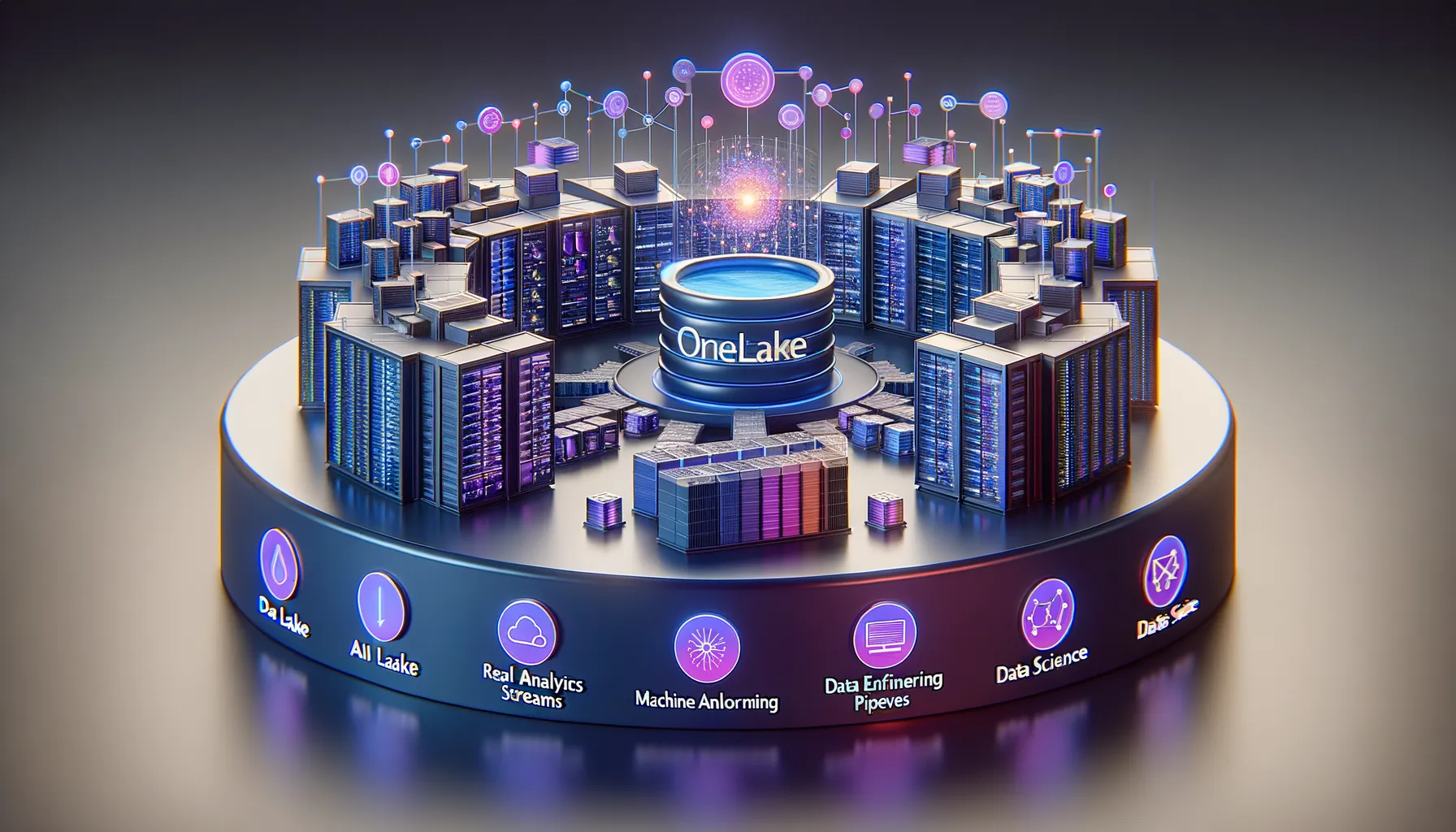
Force 2: Microsoft Fabric Direct Lake mode performance. Direct Lake mode queries OneLake parquet files directly without materializing into in-memory models. Performance against SAP data ingested into OneLake routinely matches or exceeds SAC live connections to SAP HANA. Sub-second query latency on multi-billion-row SAP datasets is achievable.
Force 3: Consolidated governance with Microsoft Purview. SAP data ingested into Microsoft Fabric inherits Microsoft Purview governance — sensitivity labels, retention policies, DLP for Copilot, Communication Compliance. The Governed AI on Microsoft framework (see /blog/governed-ai-on-microsoft-framework-regulated-enterprises-2026) extends to SAP-sourced analytics.
Force 4: Cost economics. SAC license cost typically exceeds Microsoft Fabric F-SKU + Power BI cost for comparable analytics scope. For Fortune 500 enterprises running 2,000-8,000 SAC users, consolidation savings range from $400K to $1.5M annually.
Force 5: SAP Datasphere is the SAP-sanctioned bidirectional integration. SAP Datasphere (formerly SAP Data Warehouse Cloud) provides SAP-sanctioned bidirectional sync with Microsoft Fabric via the SAP-Microsoft strategic partnership. SAP data can flow into Fabric for analytics + AI grounding while SAP semantic models remain in SAP for ERP-native reporting.
The 4-Phase Migration Runbook
Phase 1: Assessment (4-8 weeks)
Inventory SAP data sources, SAC reports and dashboards, user populations, and integration patterns.
Deliverables:
- SAC report and dashboard inventory (typical Fortune 500: 1,000-5,000 reports)
- SAP data source inventory (S/4HANA tables, CDS views, BW queries, BPC models)
- User and group classification (planners, business analysts, end-users)
- Embedded analytics inventory (SAP Fiori embeds, custom UI5 apps with SAC visualizations)
- SAP integration pattern documentation (Live Data, Acquired Data, Replication)
- Workload complexity scoring
- Migration sequencing plan
Phase 2: Architecture (6-10 weeks)
Design the Microsoft Fabric + Power BI target architecture for SAP analytics.
Deliverables:
- Microsoft Fabric workspace topology aligned to SAP data domains
- Microsoft Fabric F-SKU capacity sizing for SAP workload patterns
- SAP integration architecture (Fabric SAP connector, Azure Data Factory, SAP Datasphere)
- OneLake mirroring strategy for high-volume SAP data
- Direct Lake mode optimization for sub-second query performance
- Power BI semantic model design (replacing SAC stories and models)
- Microsoft Purview governance integration
- Microsoft 365 Copilot grounding architecture for SAP data
Phase 3: Migration (16-40 weeks)
Workload-by-workload migration from SAC to Microsoft Fabric.
Migration approach by complexity:
- Operational reports (simple SAP data extracts, financial reports, vendor reports) — automated conversion + minimal manual cleanup, 2-6 hours per report
- Standard dashboards (multi-source SAC stories with calculated measures) — semi-automated, 8-20 hours per dashboard
- Planning workflows (SAP BPC migrated to Microsoft Planner + Power BI or Microsoft Excel + Power BI) — workflow redesign required, 20-60 hours per workflow
- Advanced analytics (SAC predictive analytics, smart insights) — replatform to Microsoft Fabric Data Science notebooks or Azure ML, 40-120 hours per model
Phase 4: Decommission (6-10 weeks)
SAC license decommission with audit trail preservation and SAP ERP continuity.
SAP Integration Patterns
Pattern 1: Microsoft Fabric SAP Connector (live). Fabric connects directly to SAP S/4HANA, BW/4HANA, BW on HANA, ECC, and Datasphere via the SAP connector. Live queries against SAP for operational reporting where data freshness matters.
Pattern 2: OneLake Mirroring (delta). SAP CDS views and tables mirrored into OneLake via Azure Data Factory or Fabric Data Pipelines. Delta-based replication for analytical workloads where sub-second query performance matters more than real-time freshness.
Pattern 3: SAP Datasphere Bidirectional Sync. SAP Datasphere as the SAP-sanctioned bidirectional integration with Microsoft Fabric. SAP semantic models remain in Datasphere for ERP-native reporting; Microsoft Fabric receives Datasphere data products for AI + Copilot grounding.
Pattern 4: OData APIs (read-only). SAP OData APIs consumed by Microsoft Fabric Dataflow Gen2 or Power BI Desktop. Pattern of choice for smaller-scale or transitional integration.
Pattern 5: Fabric Real-Time Intelligence (event-driven). SAP IDOC or event-based data streams ingested into Microsoft Fabric Eventstream for real-time analytics. Pattern of choice for operational scenarios requiring sub-minute data freshness.
Cost Economics
EPC Group benchmark cost comparison for Fortune 500 enterprise (3,000 active SAC users, 2,500 reports, SAP S/4HANA data sources):
| Cost Category | SAP Analytics Cloud | Microsoft Fabric + Power BI |
|---|---|---|
| Annual SAC licensing | $1.5M-$3M | — |
| SAC HANA Cloud / SAP BTP infrastructure | $300K-$700K | — |
| Microsoft Fabric F-SKU capacity | — | $400K-$800K |
| Power BI Pro / PPU licensing | — | $200K-$400K |
| Annual support and maintenance | $250K-$500K | Included |
| Annual TCO | $2.05M-$4.2M | $600K-$1.2M |
| Annual savings | — | $1.4M-$3.0M |
Note: This excludes the SAP ERP (S/4HANA) licensing which remains regardless of analytics platform.
SAP Continuity
Migration risk is highest where SAP-native scenarios depend on SAC specifically.
SAP planning (BPC) → Microsoft Fabric. SAP BPC planning workflows migrate to Microsoft Fabric Dataflow Gen2 + Power BI + Excel-based planning patterns, or to Microsoft Planner + Power BI for lighter-weight planning scenarios. Complex BPC scenarios may remain in SAP BPC with Fabric receiving plan vs actual reporting.
SAP Fiori embedded SAC. Fiori apps with embedded SAC visualizations require migration to Power BI Embedded or custom Fiori extension development calling Power BI Embed APIs. Bidirectional interactivity is preserved.
SAP predictive analytics (Smart Predict). SAC Smart Predict models migrate to Microsoft Fabric Data Science notebooks (Python + scikit-learn + Spark MLlib) or Azure ML. The replatform produces more flexible, more performant predictive models but requires data science team capability.
Industry-Specific Considerations
Manufacturing. SAP S/4HANA + Microsoft Fabric is the canonical Industry 4.0 architecture for Microsoft + SAP ecosystem manufacturers. EPC Group has shipped manufacturing SAC-to-Fabric migrations for industrial, automotive, and consumer goods manufacturers.
Financial Services. SAP S/4HANA Finance + Microsoft Fabric supports treasury, financial planning, and regulatory reporting. MNPI containment patterns apply.
Healthcare. Less common since SAP is not the dominant healthcare ERP, but SAP-running healthcare systems do consolidate analytics to Fabric. HIPAA considerations apply.
Public Sector. Federal and state agencies running SAP migrate analytics to Microsoft Fabric in GCC + GCC High. FedRAMP control mapping applies.
Why EPC Group for SAP Analytics Migration
Microsoft Solutions Partner with core current designations — Data and AI (Azure) covers the Fabric + Power BI scope. Business Applications covers Dynamics 365 for SAP-replacement scenarios where applicable. Infrastructure (Azure) covers integration architecture.
SAP integration heritage — EPC Group has shipped SAP-Microsoft integration projects across two decades, including SAP ECC, SAP S/4HANA, SAP BW, SAP Datasphere, and SAP BPC.
Microsoft consulting since 1997 — the longest continuous Microsoft consulting firm operating today.
Frequently Asked Questions
Q: Do we have to remove SAP to migrate analytics to Microsoft Fabric?
A: No. SAP ERP (S/4HANA, ECC, BW) stays as the system of record. Microsoft Fabric becomes the analytics and AI grounding layer. The pattern is consolidation, not replacement.
Q: What about real-time SAP data?
A: Microsoft Fabric Real-Time Intelligence + Eventstream supports SAP event-based data streams (IDOC, ABAP push, SAP Event Mesh). For most enterprise analytics scenarios, near-real-time (15-minute to 1-hour latency) via Azure Data Factory or Fabric Data Pipelines is sufficient. Sub-minute latency requires Eventstream integration.
Q: How does this compare to Snowflake or Databricks for SAP analytics?
A: Snowflake and Databricks are competitive data platforms for SAP analytics. The Microsoft Fabric differentiation is (1) Microsoft 365 Copilot grounding on SAP data in OneLake, (2) Microsoft Purview governance integration, (3) Direct Lake mode performance, (4) Microsoft Solutions Partner ecosystem. For organizations already on Snowflake or Databricks, mirroring patterns into Fabric provide Copilot grounding without ripping out the existing platform.
Q: What about SAP BW migration to Microsoft Fabric?
A: SAP BW migration is a major workload covered in EPC Group's Azure Data Engineering Practice for Regulated Industries (see /blog/azure-data-engineering-practice-regulated-industries-hipaa-finra-fedramp-2026). Pattern depends on BW complexity, customization depth, and target architecture.
Q: Does Microsoft 365 Copilot work with SAP data out of the box?
A: Microsoft 365 Copilot grounds on data in Microsoft Graph (SharePoint, OneDrive, Teams, Outlook) and on Microsoft Fabric data via the Power BI Copilot integration. SAP data ingested into Fabric via the SAP connector or OneLake mirroring becomes Copilot-groundable through Power BI. Direct Copilot integration to SAP without Fabric in between requires custom Copilot Studio agent development.
Q: What is SAP Datasphere?
A: SAP Datasphere (formerly SAP Data Warehouse Cloud) is SAP's data warehouse cloud platform. The SAP-Microsoft strategic partnership enables bidirectional data product exchange between Datasphere and Microsoft Fabric, providing SAP-sanctioned integration with native semantic model preservation.
Q: How long does the migration take?
A: 12-24 months for Fortune 500 enterprise migrations. 6-12 months for mid-market migrations. Phased rollout by business unit typically delivers initial workloads to Fabric within 8-16 weeks of project kickoff.
Q: Why EPC Group?
A: Microsoft consulting since 1997 + SAP-Microsoft integration heritage + Microsoft Solutions Partner core current designations + Errin O'Connor Power BI Beta Team founding-member methodology + consecutive G2 Leader designations in Business Intelligence Consulting + Microsoft Press Power BI author.
Next Steps
- Engagement Operating Model: /engagement-model
- Microsoft Fabric Consulting: /services/fabric-consulting
- Power BI Consulting: /services/power-bi-consulting
- Microsoft Fabric capacity calculator: /tools/microsoft-fabric-capacity-calculator
- Azure Data Engineering Practice for Regulated Industries: /blog/azure-data-engineering-practice-regulated-industries-hipaa-finra-fedramp-2026
- Schedule discovery: /contact · (888) 381-9725
Errin O'Connor
Founder & Chief AI Architect
Microsoft Press bestselling author with enterprise consulting experience since 1997.
View Full ProfileRelated Articles
Azure Data Engineering for Regulated Industries: HIPAA + FINRA + FedRAMP + CMMC (2026)
EPC Group's Azure Data Engineering Practice for Regulated Industries: Microsoft Fabric + Azure Synapse + Microsoft Purview + Microsoft Sentinel + Microsoft 365 Copilot grounding. Five service tracks, four industry overlays, governance-first by default.
Microsoft Fabric20 Microsoft Fabric Lessons from 500+ Enterprise Deployments (2026)
20 Microsoft Fabric lessons from EPC Group consultants across 70+ Fortune 500 deployments. OneLake architecture, F-SKU capacity planning, Direct Lake mode tuning, Microsoft Purview governance, Power BI migration.
Microsoft FabricFabCon 2026 Enterprise Recap: 12 Implications for Fortune 500
Microsoft Fabric Conference 2026 (Atlanta) enterprise recap from EPC Group consultants. Direct Lake mode improvements, OneLake unification, Fabric MCP, Power BI Copilot, FabCon takeaways for Fortune 500 CIOs.